



tandem cold metal rolling mill control
/The modern metal manufacturing industry relies heavily on two primary types of cold rolling mills: the tandem cold rolling mill and the reversible cold rolling mill . Both systems serve the critical function of reducing sheet metal thickness while improving surface quality and mechanical properties, but they differ significantly in their operation, capabilities, and ideal applications. A tandem mill cold rolling system consists of multiple stands arranged in sequence, allowing continuous processing of metal strips at high speeds. In contrast, a reversing cold mill operates with a single stand that processes the metal back and forth in multiple passes. Understanding the fundamental differences between these technologies is essential for manufacturers looking to optimize their production lines, whether considering a new tandem cold mill installation or upgrading existing reversing cold rolling mill equipment. Operational Mechanics of Reversing Cold Rolling Mills The reversing cold rolling mill represents a versatile solution for many metal processing facilities, particularly those requiring flexibility in production. In this system, the metal strip passes through a single stand multiple times, with the direction reversed after each pass until the desired thickness reduction is achieved. This approach allows for precise control over the rolling process, making the reversible cold rolling mill particularly suitable for small batch production, specialty alloys, and applications requiring frequent thickness changes. The ability to process coils of varying widths and materials without extensive setup changes gives reversing cold mill operations a distinct advantage in job shop environments or facilities producing multiple product grades. One of the key benefits of the reversible cold rolling mill lies in its lower initial capital investment compared to tandem systems. The compact footprint of a reversing cold mill makes it ideal for facilities with space constraints, while its simpler mechanical design often translates to easier maintenance and lower spare parts inventory requirements. However, the stop-and-start nature of the reversing process inherently limits production speeds and output volumes compared to continuous tandem mill rolling operations. Manufacturers must carefully weigh these operational characteristics against their production needs when considering whether a reversing cold rolling mill meets their long-term requirements. Continuous Processing with Tandem Cold Rolling Mills The tandem cold rolling mill represents the pinnacle of high-volume production efficiency in metal rolling operations. In a typical tandem mill cold rolling configuration, three to seven rolling stands operate in sequence, each applying incremental reductions to the metal strip as it passes continuously through the system. This arrangement allows for dramatic improvements in production speed and throughput compared to reversing cold mill technology. Modern tandem cold mill s can process strips at speeds exceeding 2,500 meters per minute, making them indispensable for large-scale production of standard sheet and strip products. The tandem mill rolling process offers several distinct advantages for high-volume manufacturers. The continuous operation minimizes handling between passes, reducing the risk of surface defects and improving overall product quality consistency. Temperature control proves more stable in tandem cold rolling mill systems, as the metal undergoes gradual reduction without the cooling periods inherent in reversing operations. Furthermore, the automated nature of tandem mill cold rolling lends itself to precise thickness control and sophisticated quality monitoring systems that can maintain tight tolerances throughout long production runs. However, the advantages of tandem mill rolling come with significant considerations. The capital investment for a tandem cold mill far exceeds that of reversible systems, and the complex machinery requires highly trained personnel for operation and maintenance. Changeover times between different product specifications tend to be longer in tandem cold rolling mill installations, making them less suitable for facilities requiring frequent product switches or small batch production. Tandem Cold Rolling Mill s: Production Capacity and Output Considerations When evaluating tandem versus reversing cold rolling mill technologies, production volume requirements often serve as the primary deciding factor. Tandem cold mill s excel in high-volume environments where long production runs of standardized products justify the substantial capital investment. The continuous nature of tandem mill rolling allows these systems to achieve annual production capacities measured in hundreds of thousands of tons, far surpassing what even multiple reversing cold mill installations could accomplish. Conversely, the reversible cold rolling mill shines in lower-volume, high-mix production scenarios. Facilities specializing in premium alloys, custom gauges, or prototype development often find the flexibility of reversing cold mill operations better suited to their business model. While a single reversing cold rolling mill might only achieve 10-20% of the output of a tandem cold rolling mill , this reduced capacity comes with the advantage of being able to handle a wider variety of materials and specifications without costly changeovers or production delays. The decision between these technologies often comes down to the manufacturer's product mix and order patterns. Companies with stable, high-volume orders for standard products will likely benefit from the economies of scale offered by tandem cold mill s. Those operating in more customized or variable markets may find the adaptability of reversing cold rolling mill systems more aligned with their operational needs. Tandem Cold Rolling Mill s: Quality and Precision Capabilities Both tandem and reversing cold rolling mill technologies can produce high-quality finished products, but they achieve this through different approaches that may suit particular quality requirements. The tandem cold rolling mill 's continuous process provides exceptional consistency along the length of the strip, with sophisticated automatic gauge control systems maintaining tight tolerances throughout extended production runs. This makes tandem mill cold rolling particularly valuable for applications requiring uniform mechanical properties across large coil sizes, such as automotive body panels or appliance casings. The reversing cold rolling mill offers its own quality advantages, particularly for specialty materials or precise thickness requirements. The ability to inspect and adjust between passes in a reversible cold rolling mill allows operators to fine-tune the process for optimal results with challenging materials. This characteristic makes reversing cold mill technology preferred for high-value applications like aerospace alloys or precision instrumentation components where absolute consistency may be less critical than achieving specific metallurgical properties. Surface finish requirements also play a role in technology selection. While both systems can produce excellent surface quality, the multiple passes of a reversible cold rolling mill can sometimes allow for more gradual refinement of surface characteristics. The tandem cold rolling mill , while capable of superb finishes, may require additional skin-pass or finishing stands to achieve comparable results with certain materials. Tandem Cold Rolling Mill s: Making the Right Choice for Your Operation Selecting between tandem and reversing cold rolling mill technologies requires careful analysis of both current needs and long-term business strategy. Manufacturers should consider their typical order sizes, product mix, quality requirements, and growth projections when evaluating these options. The tandem cold rolling mill remains the undisputed choice for high-volume production of standard products, while the reversible cold rolling mill continues to offer unbeatable flexibility for specialized or variable production. Many successful operations employ both technologies, using tandem mill cold rolling for their high-volume standard products and maintaining reversing cold mill capacity for specialty items or custom orders. This hybrid approach allows manufacturers to optimize their overall production efficiency while maintaining the ability to serve diverse market segments. Ultimately, the decision between tandem and reversing cold rolling mill investments should be guided by a comprehensive understanding of production requirements, financial considerations, and strategic objectives. By carefully weighing the operational characteristics and economic implications of each technology, manufacturers can make informed choices that support their long-term competitiveness in an evolving metal processing industry.

We have successfully executed over 500
projects around the world,
many first-of-their-kind
research projects and products in China, including
We have successfully executed over 500
projects around the world,
many first-of-their-kind
research projects and products in China, including
-
2004
The 1st hydraulic AGC system for hot rolling of ribbon steel
-
2006
The 1st AFC system used for 1450mm skin pass mill
-
2009
The 1st 5-stand tandem line with 2-stand POR & Uncoiler for 650mm ribbon steel
-
2012
The 1st reversing mill for 1380mm strip
-
2016
The 1st soft-rolling system used in skin pass mill
-
2019
The 1st fully automated medium-width tandem cold rolling mill
-
2021
The 1st 5000KN Twin-stand double skin pass mill
-
2022
The 1st coupled pickling line & tandem cold mill with two modes - big roller & small roller
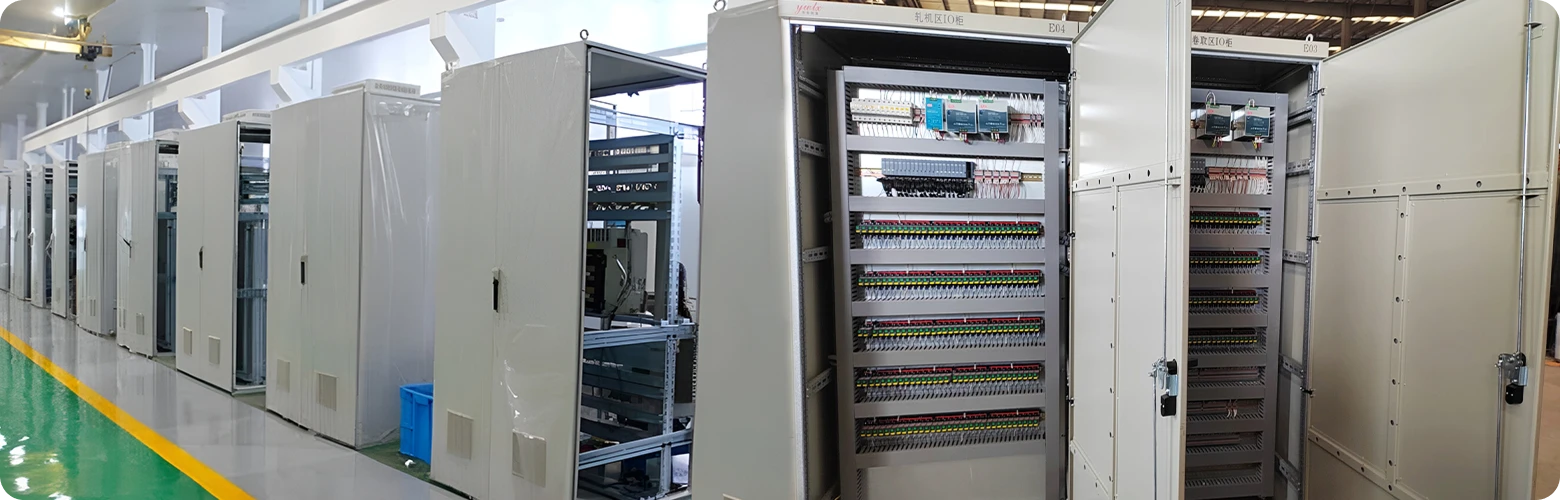
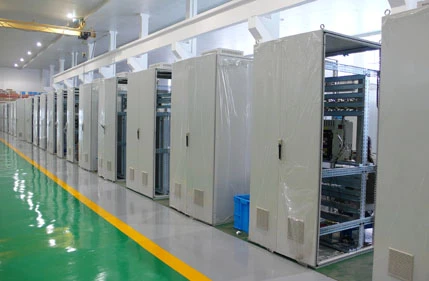
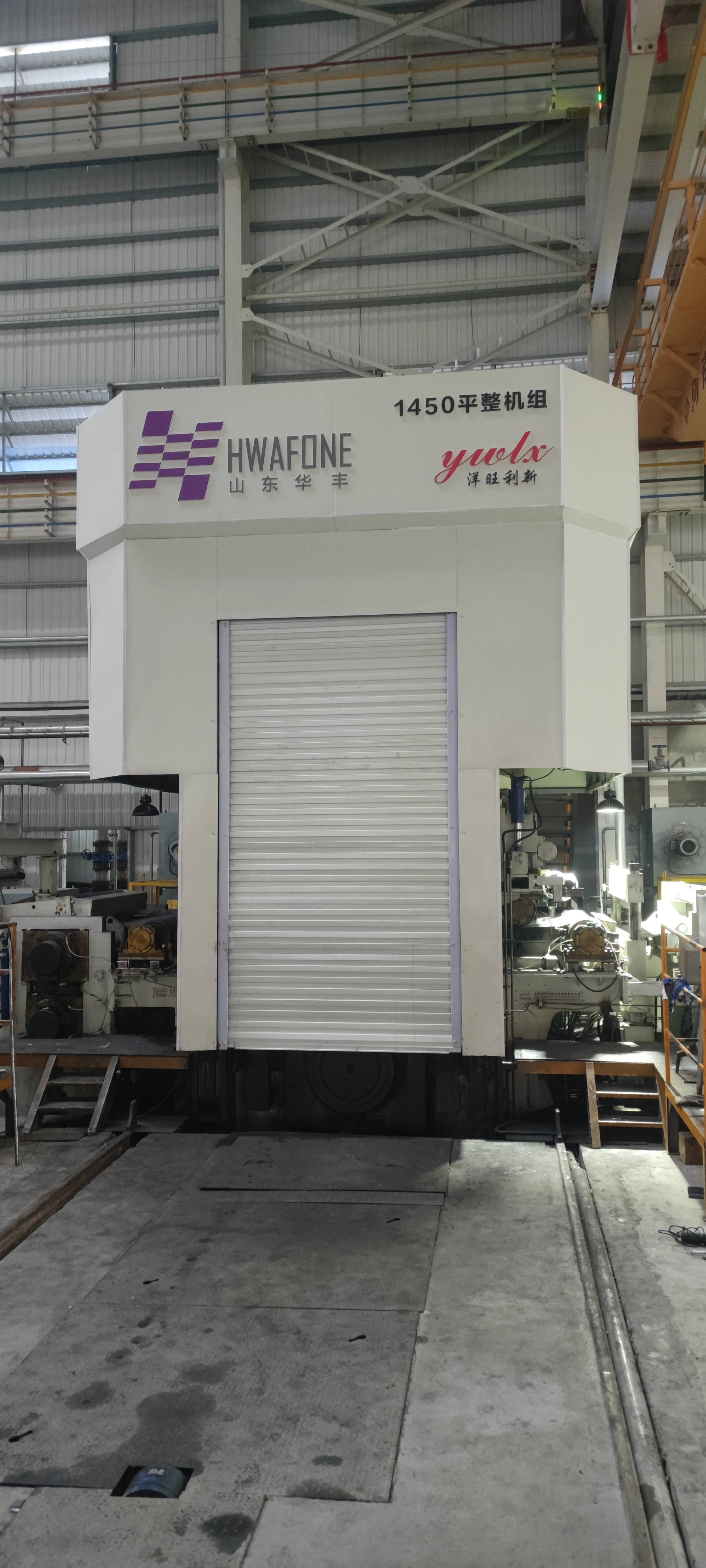
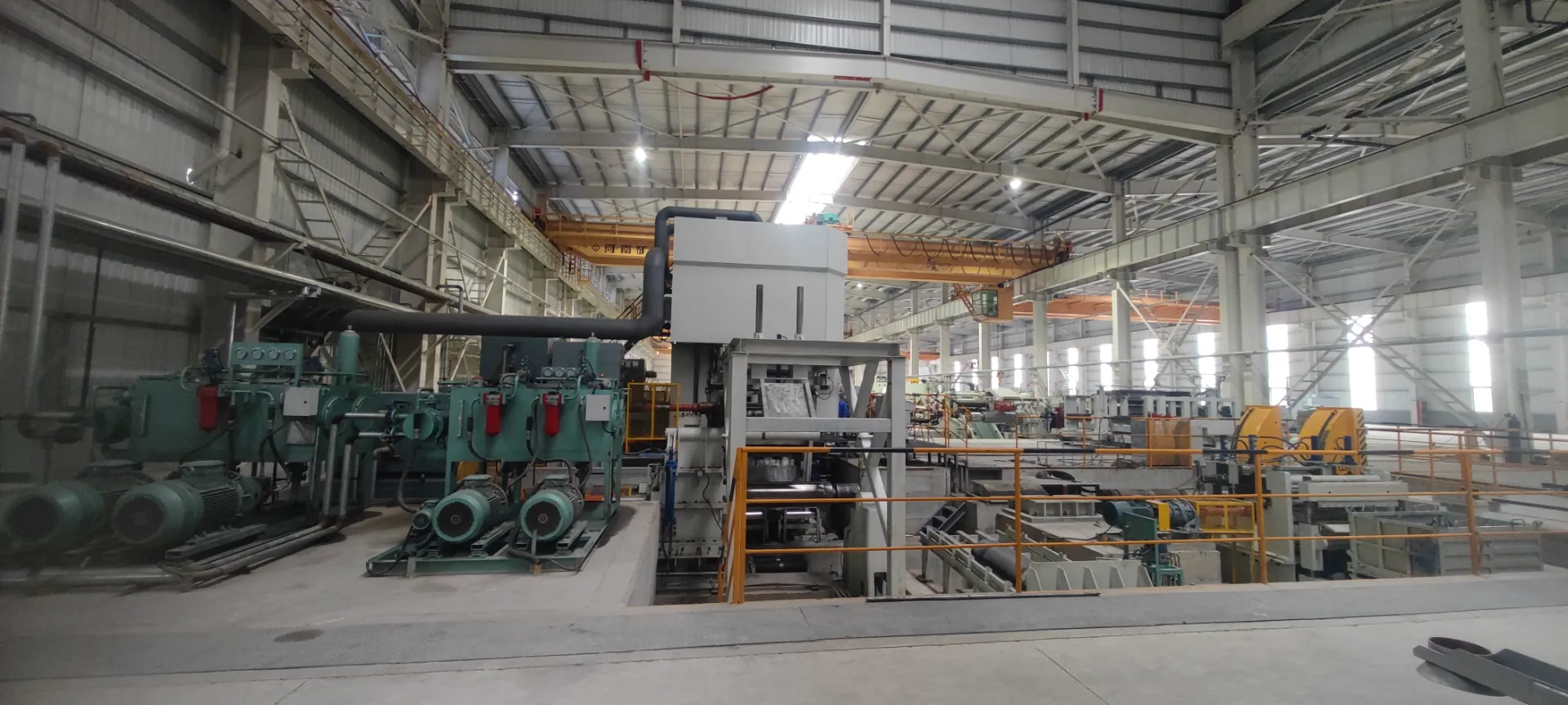
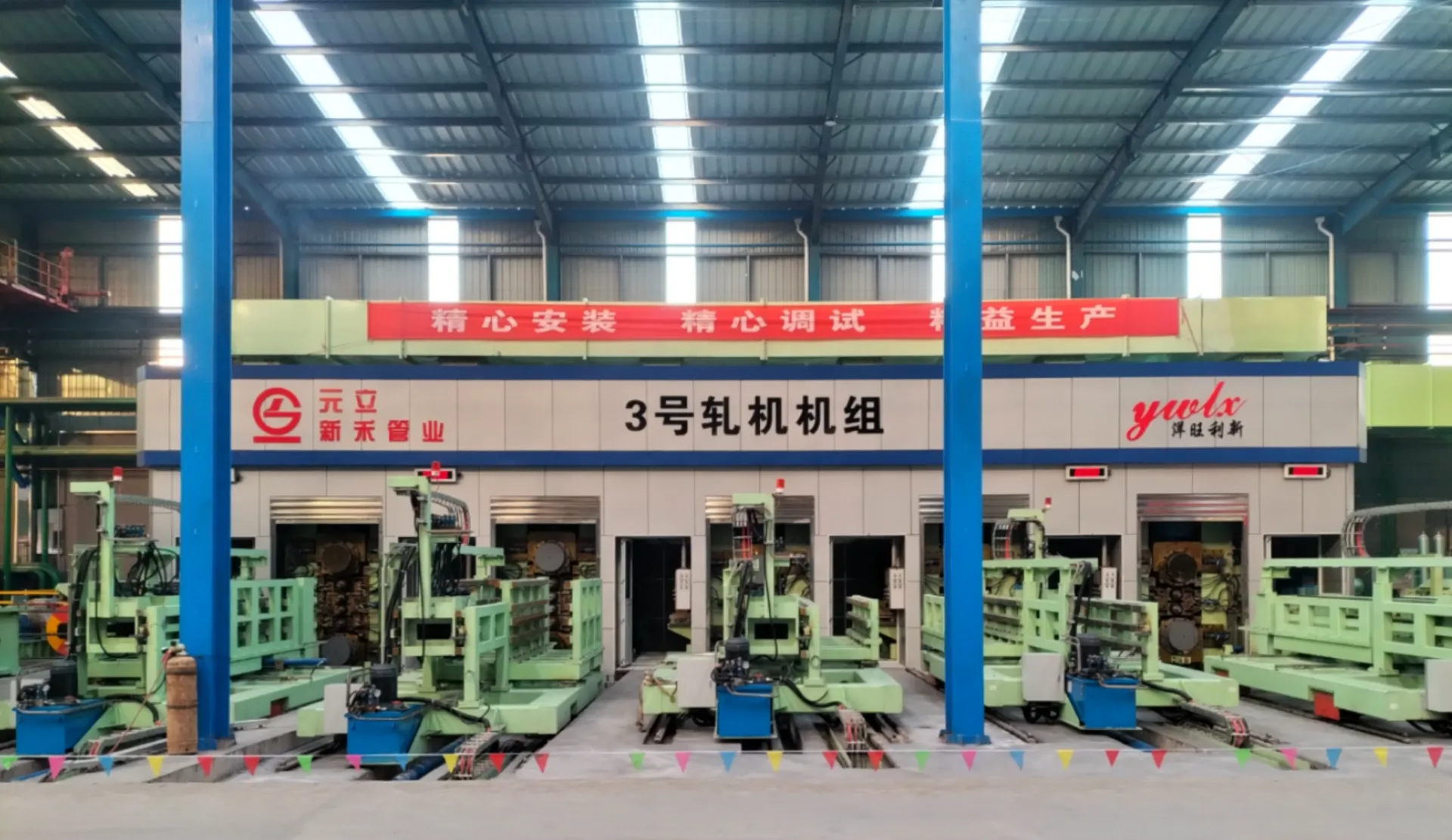
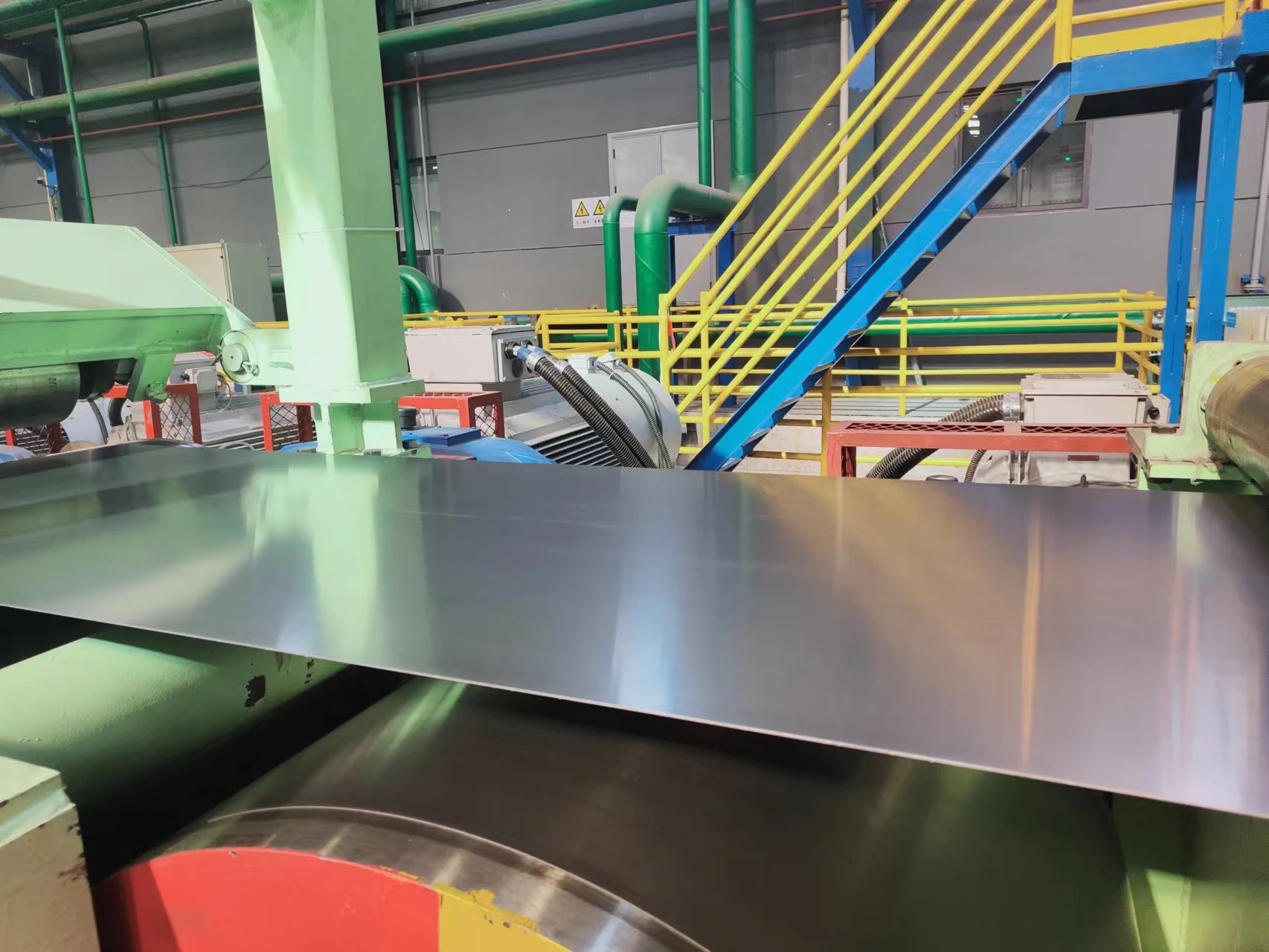
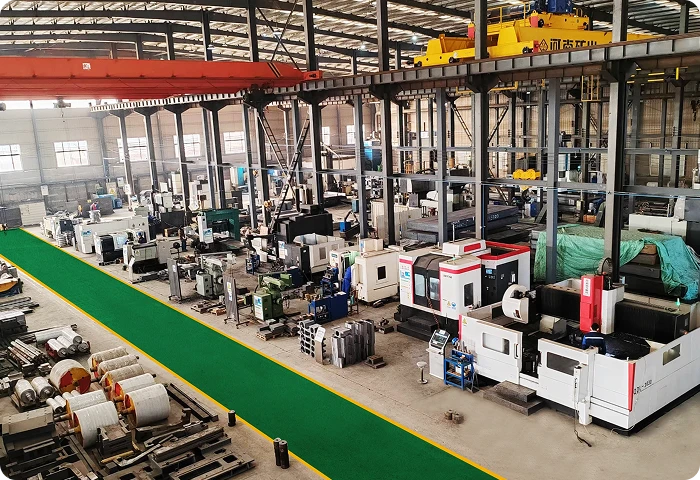
Yang Wang Li Xin operates a state-of-the-art facility over 66,000 square meters,and our manufacturing facility is fully equipped with high-tech machinery and high-capacity cranes. This enables us to handle large work pieces measuring 4.5m in width, 10m in length, and 1.5m in height, guaranteeing our capacity to produce 1800mm skin-pass mills and 1450mm rolling mills. The individual piece can weigh up to 100 tons.

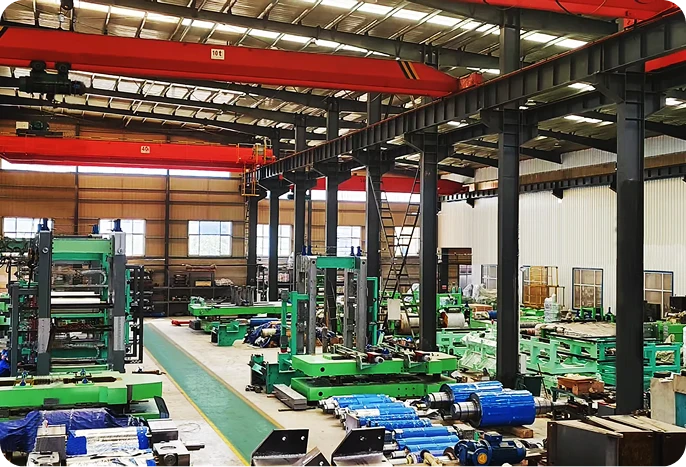

Quality is fundamental to the enterprise survival. We have established a comprehensive and meticulous quality management system and have successfully obtained ISO14000 certification. Starting from the design source, it supervises the entire production cycle, including design, procurement, processing, assembly, in-factory testing, installation, and online commissioning. The workshop is equipped with measuring tools like vernier calipers, spectrometers, hardness testers, and ultrasonic flaw detectors. They are used to check materials and control tolerances to ensure the final equipment meets or exceeds requirements. All products have a unique code, This enables the easy identification and traceability of the equipment components and ensures full control of quality.


-
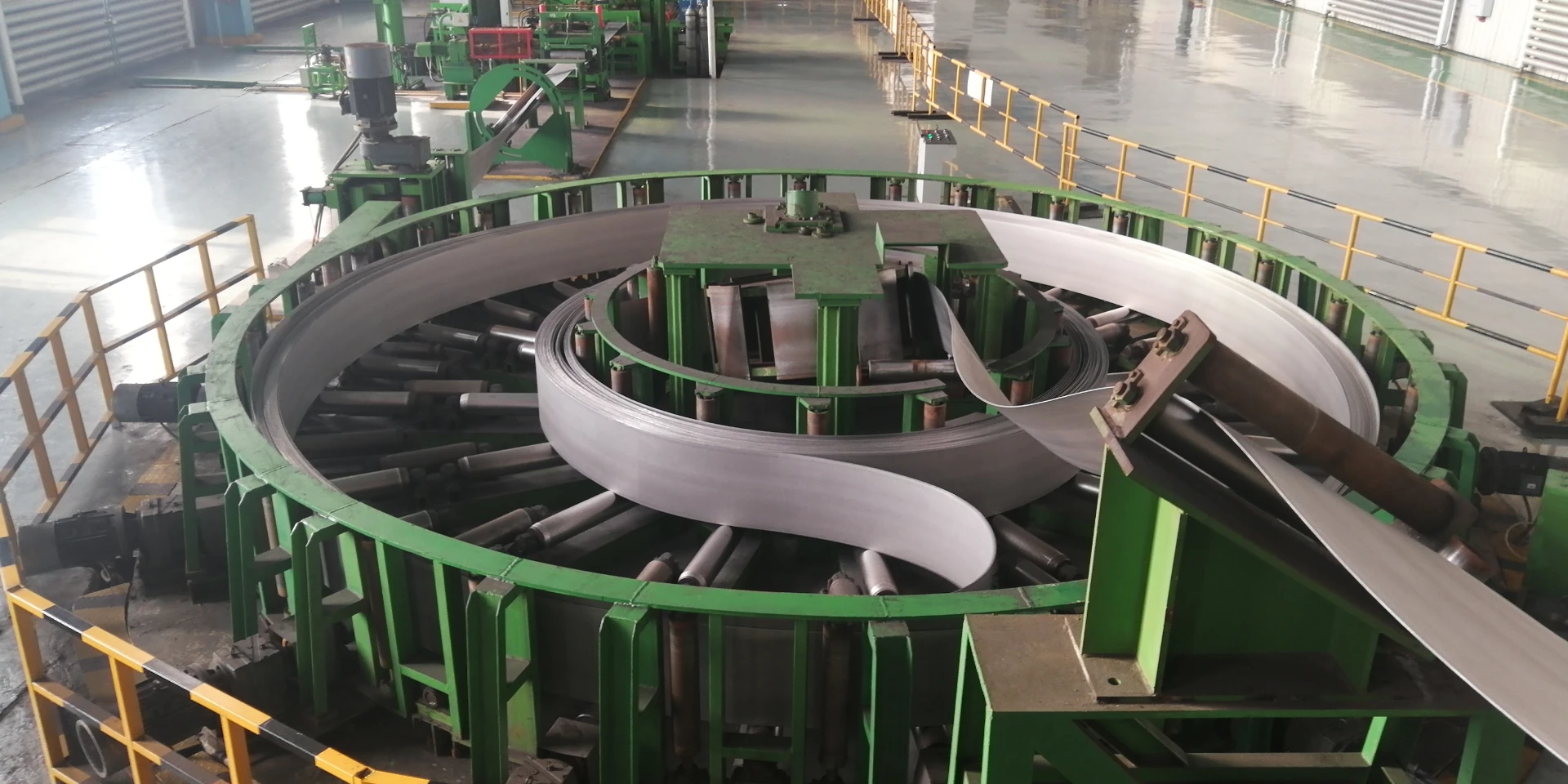 Tandem Cold Mill: Precision Rolling & High EfficiencyIndustry Trends and the Evolution of Cold Rolling Precision The global metallurgical industry is currently experiencing a profound transformation, driven by an escalating demand for high-performance materials characterized by superior surface quality, precise dimensional accuracy, and enhanced mechanical properties. At the vanguard of this industrial evolution stands the tandem cold mill , a pivot
 -
 strip rolling equipmentStrip rolling equipment plays a crucial role in the metalworking industry, primarily in the manufacturing of thin and uniform strips of metal. The equipment's importance stems not just from its engineering design but also from the precision it brings to modern industrial processes. Engineers and manufacturers who utilize strip rolling equipment require a deep understanding of its mechanics, capabi
 -
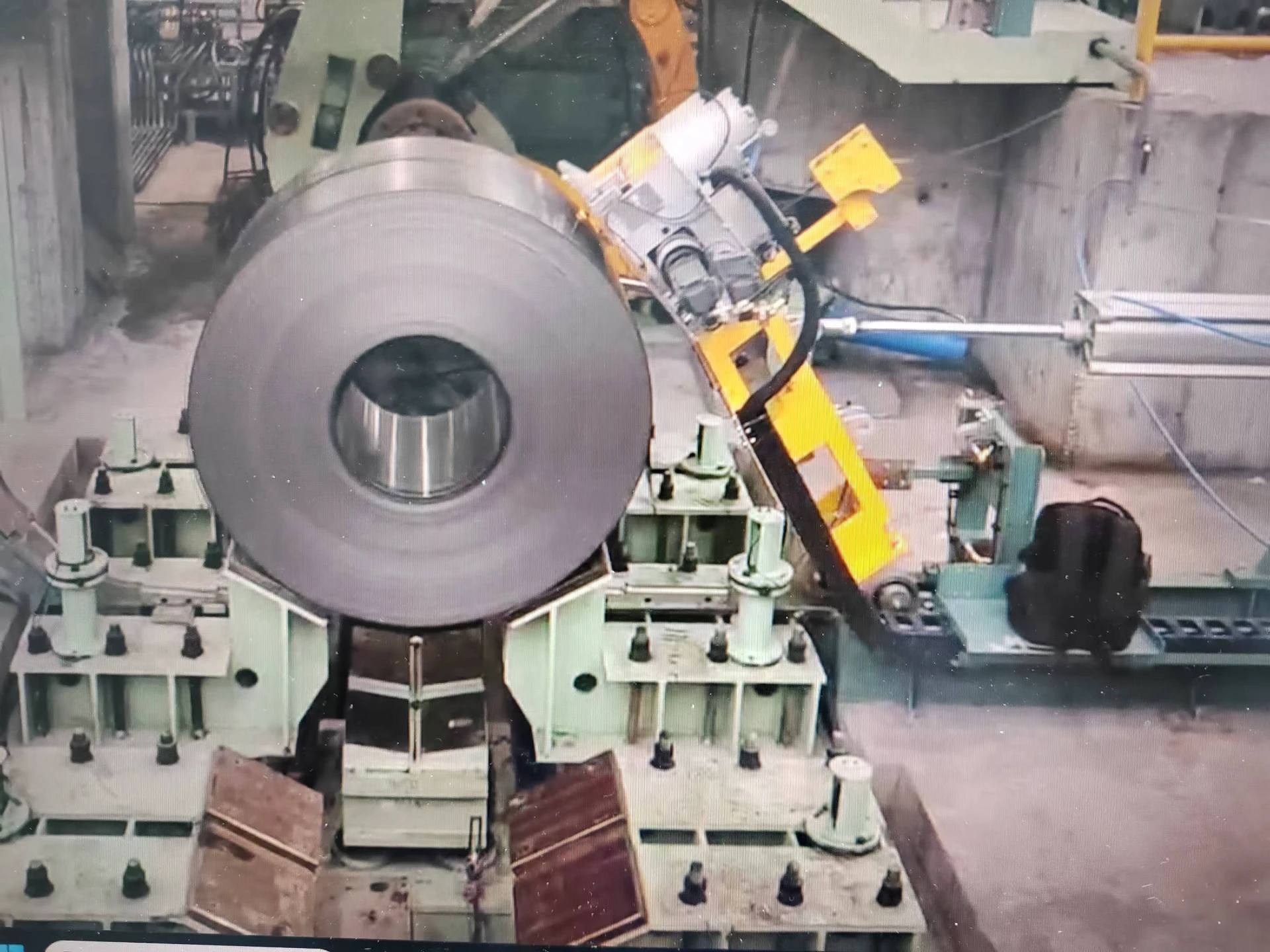 Selecting the Right Skin Pass Mill for Galvanized and Aluminized CoilsThe selection of an appropriate skin pass mill represents a crucial decision for processors handling galvanized and aluminized coils, where surface quality and mechanical properties demand exceptional precision. Unlike conventional rolling operations, skin pass rolling serves as the final refining process that imparts the exact surface characteristics and mechanical enhancements required for premi


